

The Confident Patient: Endo & Fibroid Pain Relief

The ConfidentPatient:A Doctor Discussion Guidefor Endo & Fibroid Pain Relief
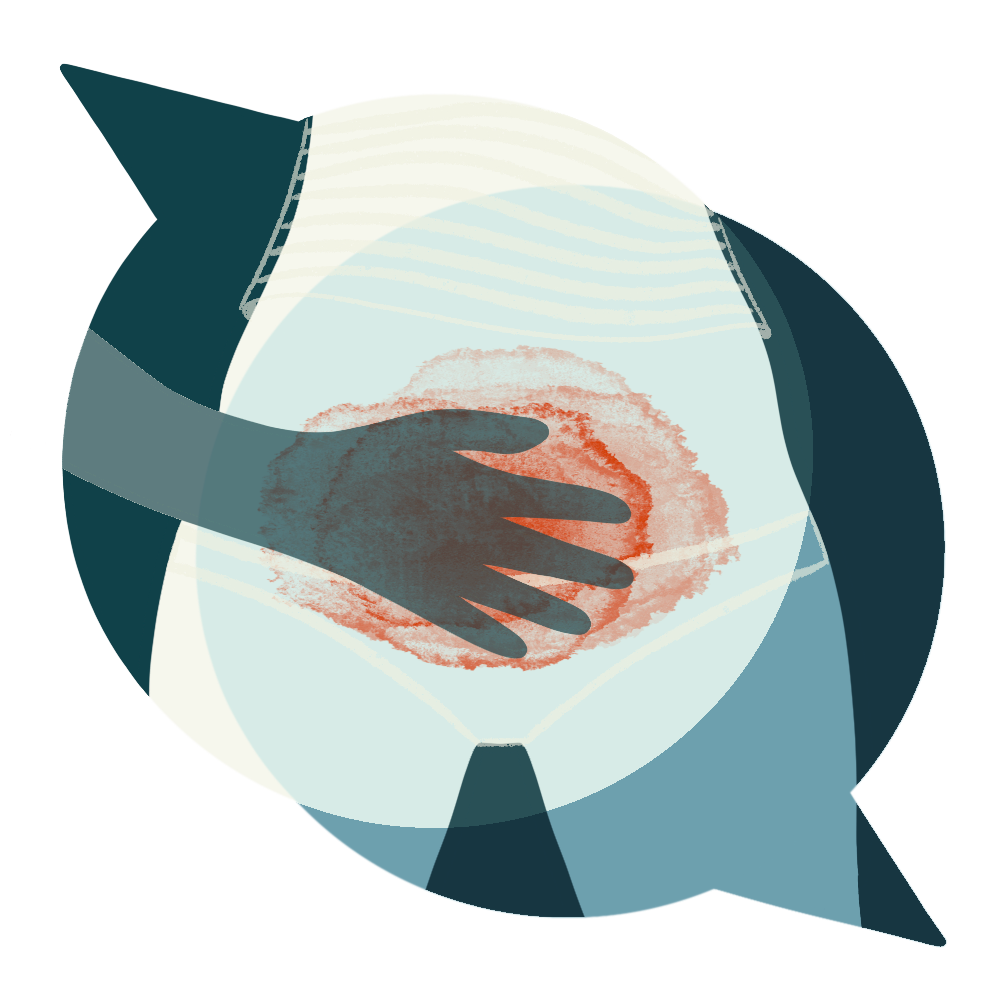
a woman's lower abdomen inside 2 speech bubbles

A complex pain cycle

When you live with endometriosis or uterine fibroids (UF), you know what it’s like to live with complex, persistent pain – inflammation, cramping, swelling, pulling. You may feel nauseated or bloated. Your digestive tract may feel out of balance. Even fertility can be challenging. All of these symptoms and complications can take a heavy toll on your mental and physical health.

When relief from endo or UF pain feels out of reach, or your go-to treatments don’t work as well as they used to, it may be time to talk to a doctor about your options.
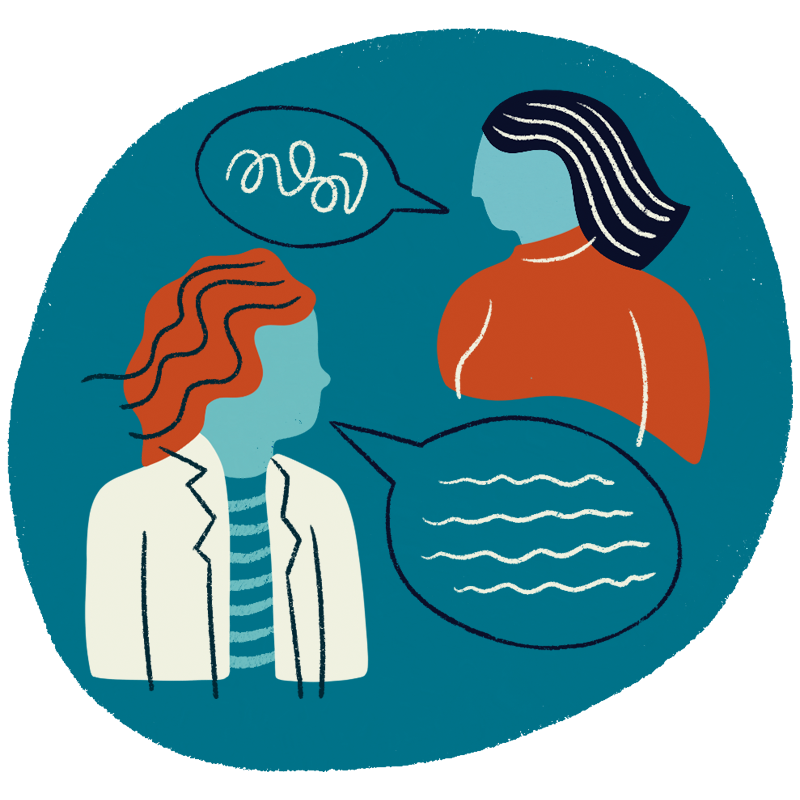
A woman talks to her doctor

Managing endo progression

As endometriosis progresses, fibrous bands of scar tissue, or adhesions, can spread to other organ systems and areas of the body. It can be difficult to treat once there are more areas affected by scarring.

Because adhesions can lead to more severe symptoms and complications – some of them life-threatening – it’s important to talk to a doctor about what you’re experiencing before your condition worsens. Together, you can come up with a plan to manage your endo pain that meets your body’s unique needs.

Questions for your healthcare provider

Have an upcoming appointment with your doctor? If so, there’s no better time to check in with yourself about your symptoms and get your questions ready. Having an open and honest discussion with your doctor about your pain management needs can help you determine your next steps.

    Tracking symptoms and severity
  • What symptoms should I be tracking, and what’s the best way to record them?
  • What should I do if my symptoms feel like they’re getting worse?
  • How would you describe my severity? How will that inform your treatment approach?
  • How will I know when it’s time to seek treatment beyond what I’ve tried in the past?
  • What are the potential signs of uterine fibroids (UF)? How do we test for them?

    Exploring treatment options
  • What treatment options for endo pain are currently available, and how do they work?
  • Based on my profile, which treatments am I a good candidate for?
  • Are there any options that offer more than just temporary relief from my symptoms?
  • What’s the difference between endometriosis and uterine fibroids? Can both be treated together?

    Meeting your treatment needs
  • How will you evaluate whether my treatment is working or not? How will we measure and track this?
  • How do we decide if it’s time to make a treatment change, and what does that process look like?
  • Can we treat my painful periods in the longterm and get me to feeling better longer?
  • Coming prepared with questions like these can help you get the most out of your doctor’s appointments and ensure you’re getting the care you need.

Symptom Check-in

What’s new with you?

Symptoms of endometriosis and uterine fibroids can come and go, often fluctuating based on hormonal changes and menstrual cycles. But if the pain seems to be getting worse, it may be time to address it. Let’s check in about how you’ve been feeling lately.

In the last month, have you experienced a worsening of any of the following?

☐ Severe abdominal pain and cramping, especially with periods
☐ Heavy periods
☐ Bleeding between periods
☐ Bloating
☐ Constipation
☐ Lower back pain
☐ Frequent urination or inability to empty the bladder
☐ Pain during sex

The Check-up
A woman speaking

Sharing what’s changed

It may be hard to describe how worsening endo/UF pain is impacting you. Here are some ways to share your experience:

  • “I’m experiencing pain I’ve never felt before. Could my endometriosis be getting worse?”
  • “My endo/UF pain is impacting my sleep, work, hobbies, and time with loved ones. Can we talk about that?
  • “Being an involved parent is important to me. How can I get my pain under control so I can stay active?”
  • “Even with treatment, my endo/UF symptoms seem to be getting worse. Is it time to think about switching to a different treatment option?”